About Öland


Öland is an island located in the Baltic Sea off Sweden's southeast coast. Öland is Sweden's smallest landscape. Between Öland and the mainland there is an approximately 6 km wide strait, Kalmarsund. Land connection is via the Öland Bridge, which runs between Färjestaden on Öland and Kalmar on the mainland.
If you are traveling to Öland by public transport, take the train or flight to Kalmar, after which a bus will take you on to Öland.
Facts about Öland
Length: 137 km
Widest Width: 16 km
Area: 1344 square kilometers
Maximum Height: 57.4 meters above sea level
Number of inhabitants: Ca. 24 600
Landscape flower: Öland rockrose
Landscape animal: Nightingale
Landscape fish: Flounder
Landscape insect: Rose-winged Grasshopper
Landscape stone: Ortoceratitkalksten
Landscape mushroom: Calocybe gambosa
Provincial dish: Body Cakes & Lufsa
Municipalities: Borgholm & Mörbylånga
Öland Bridge: 6072 meters long. Inaugurated September 1972

Öland Bridge
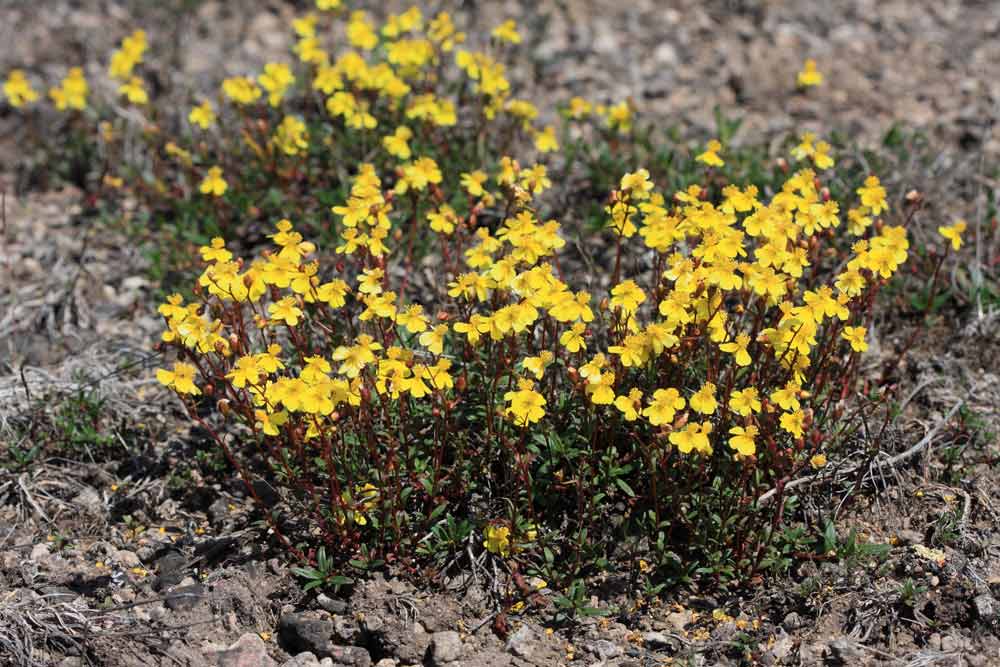
Öland rockrose
Unlike the mainland, the bedrock on Öland consists of limestone, which means that the vegetation in particular differs from that found in the rest of Sweden. Öland mostly has an open and flat landscape where open dry, heaths, so-called alvar, are found over large areas.
The largest alvar, Stora alvaret, is the world's largest grazed alvar. It is 260 km² large and occupies a large part of southern Öland. A number of habitat types occur. The soils are very thin and areas with a completely bare limestone floor are found in several places. Large parts of Stora Alvaret are nature reserves. Similar alvar are found on Gotland and Ösel.

Stora alvaret
Southwest Öland is dominated by large fields. Central Öland is dominated by deciduous forest, the so-called Mittlandsskogen, but fields and wetlands are mixed with deciduous forest. Several forest areas are nature reserves.
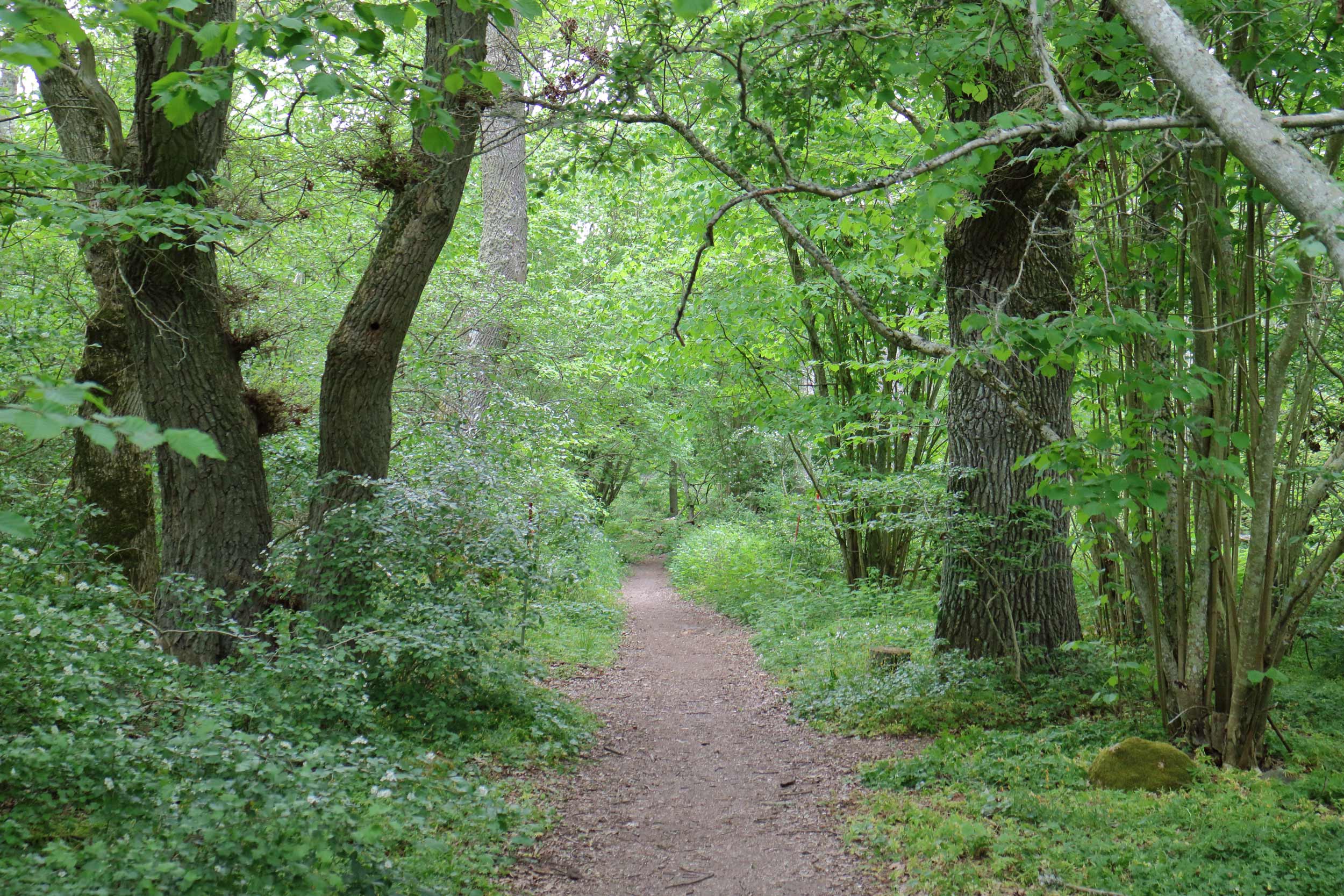
Northern Öland is mostly an open landscape where the western high cliff coast attracts interest, the so-called Stone Coast. In the far north there is a large coniferous forest, Böda ecopark, on sandy dunes.
At Bödabukten on northeastern Öland, there are long sandy beaches that attract many visitors.

Bödabukten
The coast of eastern Öland is dominated by open pastures with many stone walls, the so-called sjömark.
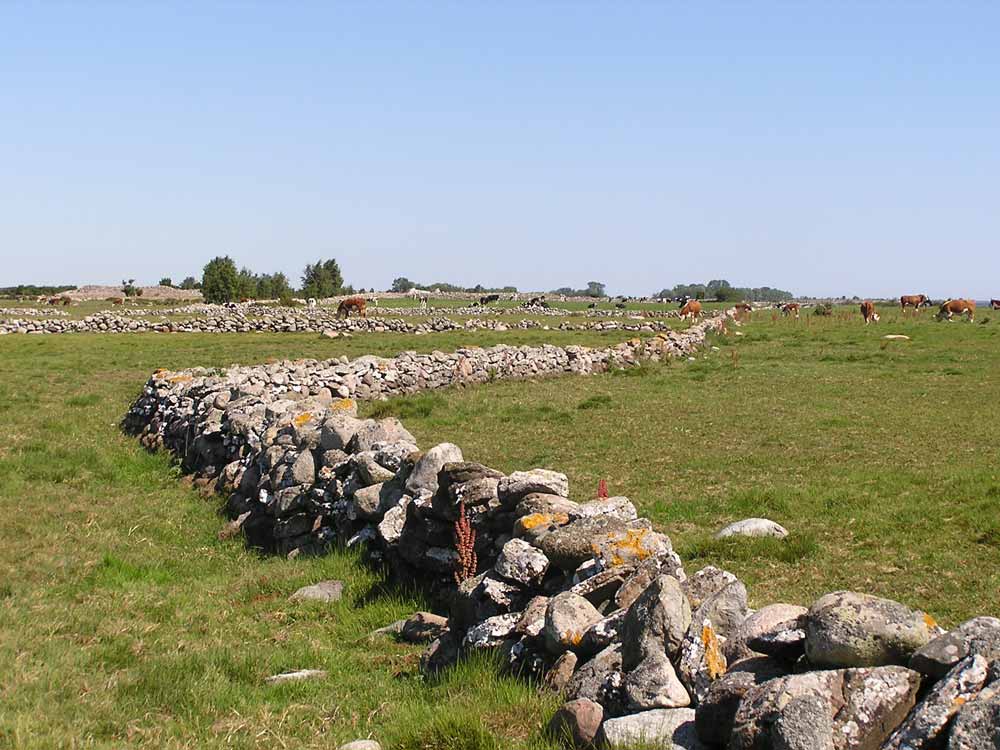
Sjömark
About 26 000 people live on Öland. Larger urban areas are Mörbylånga, Färjestaden, Borgholm and Löttorp.
Thanks to the open landscape, the wind has always been used to grind grain and fodder. Öland is therefore known for its windmills. Today there are about 300 left.
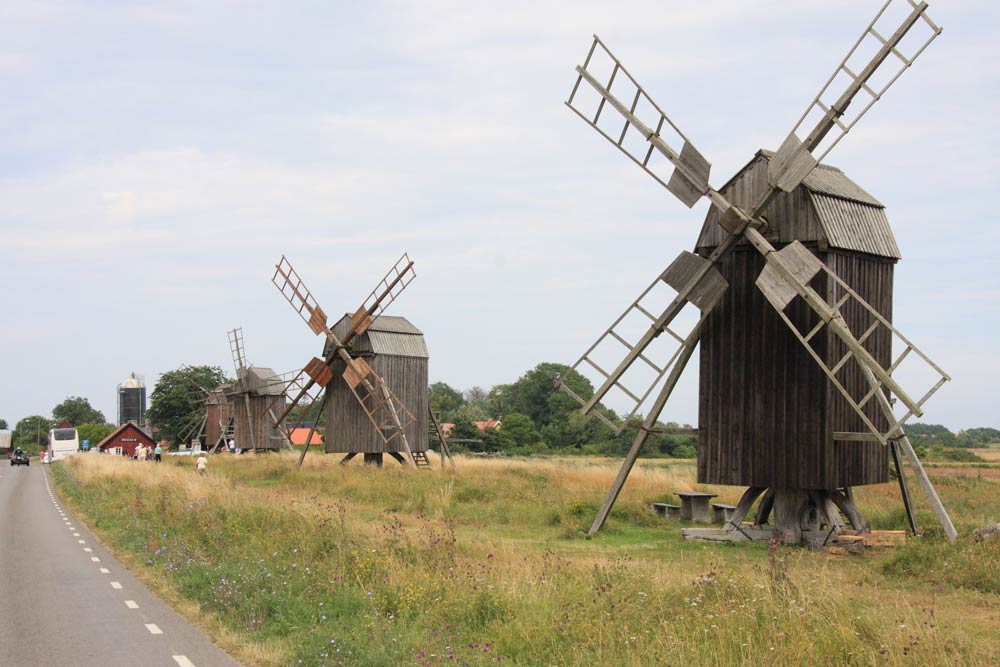
The business community on Öland is dominated by tourism and agriculture. A very visited place is Byrum's raukar.

Byrums raukar
Öland is also known for its ancient ringforts. They are traditionally dated to the time of migration (400-550 AD). Today it is known that many are built earlier than that. They were built as a defense in external attacks, but several have also served as trading posts.

Many visitors are attracted to the Swedish king's summer residence, Solliden's castle.
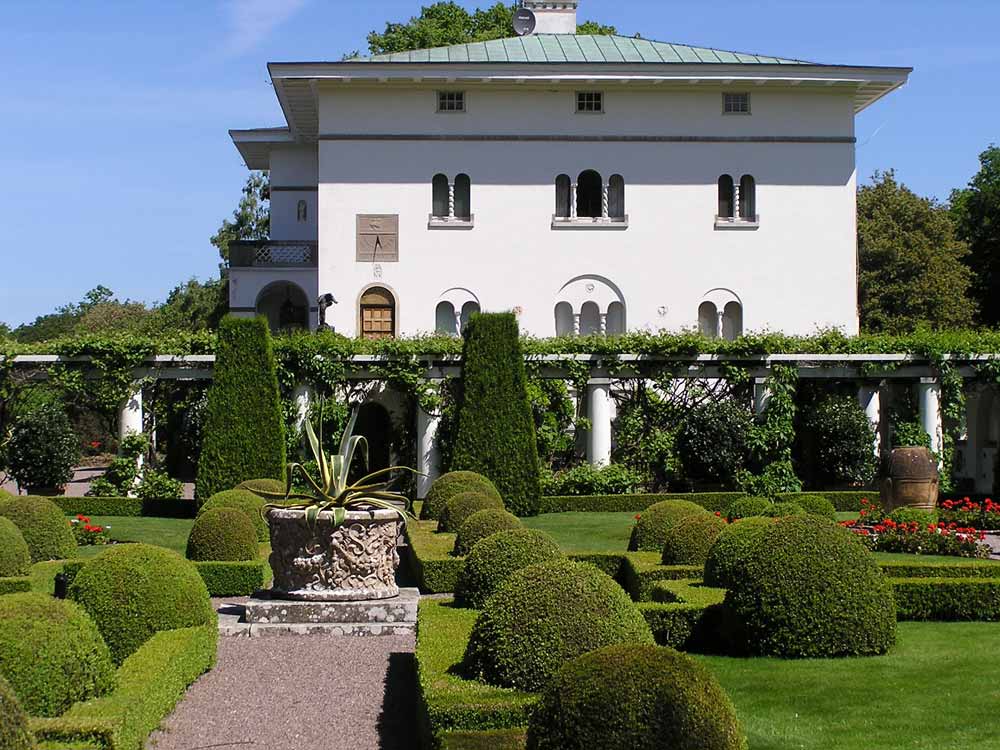
Sollidens castle
During the spring, many visitors come to take part in Öland's richness of orchids. On Öland there are 35 species and subspecies of orchids.

Other attractions that can be found on Öland you can find here.
There are many hiking trails on Öland, such as the Mörbylångaleden.